
“Spring Cleaning: Removing the Leaven from Our Lives” Main Scripture: Exodus 12:14–20 Supporting Scriptures: 1 Corinthians 5:6, Romans 6:1–7, Romans 12:2, 1 Peter 2:22 Central Message: God does not set us free because we have removed sin from our lives. Rather, because God has set us free through Jesus Christ, we are called to remove sin and live a life of holiness.
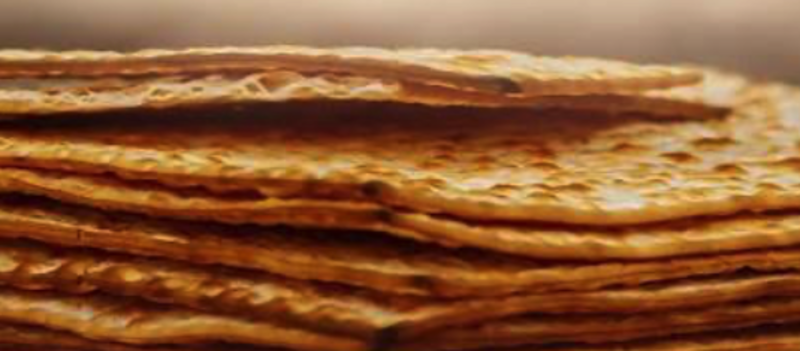
- Sermon Summary The Feast of Unleavened Bread, described in Exodus 12, followed the Passover celebration. God had delivered the Israelites from slavery in Egypt, and He instructed them to remove all leaven from their homes for seven days. This was more than a dietary practice; it served as a spiritual picture of removing sin and separating themselves from the sinful influences of their former lives. Leaven provides a powerful illustration of sin because it can be attractive, spread through a whole batch of dough, change its appearance, and eventually contribute to decay. In the same way, sin may seem harmless or pleasurable at first, but even a small amount can influence our character, damage our relationships, and weaken our spiritual lives. This principle is especially important in the home. Parents and adults must recognize that their example influences the next generation. We cannot expect our children to reject sinful influences if we allow those same influences into our own lives. Protecting our families requires intentional decisions about what we watch, read, practice, and permit to shape our hearts and minds. Like spring cleaning, spiritual examination must happen regularly. We must search for hidden influences that undermine our faith rather than assuming that small compromises will cause no harm. Romans 12:2reminds us not to conform to the world but to be transformed by the renewing of our minds. However, the sermon's most important truth is that removing sin does not earn our freedom; our freedom comes from God through Jesus Christ. Just as Israel removed the leaven because God had delivered them, Christians pursue holiness because Christ has saved them. We do not clean up our lives to make ourselves worthy of salvation. We come to Christ for salvation, and then we begin the lifelong process of spiritual transformation.
- Organized Sermon Outline
- The Removal of Leaven Exodus 12; 1 Corinthians 5:6 Israel was commanded to remove every trace of leaven from its homes. Leaven illustrates how sin can influence and corrupt our lives. • Sin can be attractive and pleasurable. • Sin can spread from one area of life to another. • Sin can create a false sense of importance, maturity, or control. • Sin ultimately brings spiritual decay and destruction. Key lesson: Never underestimate the destructive influence of even a small compromise.
- The Importance of Removing Leaven Romans 6:4; 1 Peter 2:22; Deuteronomy 7:26 Jesus saves us from sin and calls us to a new life of holiness. Families must be intentional about protecting their spiritual environment. • Parents are spiritual examples and gatekeepers in the home. • What adults permit for themselves teaches children what to value. • Media, relationships, habits, and entertainment can shape our beliefs. • Our standards should be consistent for adults and children alike. Key lesson: We cannot teach our children to reject what we continue to embrace.
- Spiritual Spring Cleaning Exodus 12:19; Romans 12:2 Just as families clean their homes to remove accumulated clutter, Christians must regularly examine their lives and remove influences that hinder their relationship with God. • Search every area of life, including hidden habits and attitudes. • Do not excuse harmful influences by saying, “It's only a little.” • Renew your mind through God's truth. • Make ongoing spiritual examination part of your Christian walk. Key lesson: What we tolerate today may become a destructive influence tomorrow.
- Freedom Comes First Through Christ Romans 6:1–7 The Passover came before the Feast of Unleavened Bread. Israel removed the leaven because God had already delivered them. Likewise, Christians pursue holiness in response to God's grace. • We are not saved by cleaning up our past. • We are called to leave our old sinful life behind because we belong to Christ. • Salvation is found in responding to Jesus as Lord and Savior. • A transformed life is the fruit of God's saving work, not a way to earn it. Key lesson: We do not pursue holiness to earn freedom; we pursue holiness because Christ has set us free.
- Five Thought-Provoking Questions
- What “leaven” might be hiding in your life? Are there habits, attitudes, entertainment choices, or compromises that you have allowed to remain because they seem small or harmless?
- Are you setting the same spiritual example for your family that you expect from them? If your children or the people closest to you imitated your private choices, would those choices lead them closer to Christ or further away from Him?
- What is one small compromise that could eventually affect your entire spiritual life? How have you seen bitterness, dishonesty, pride, or another sin spread into other areas of a person's life?
- When was the last time you did some spiritual “spring cleaning”? Have you honestly examined your heart, your home, your relationships, and the influences shaping your mind? What might God be calling you to remove?
- Are you trying to clean up your life before coming to Jesus, or are you allowing Jesus to transform your life because He has saved you? How does understanding the difference between earning salvation and responding to God's grace change the way you pursue holiness?
- The Sermon's Take-Home Challenge This week, take time to examine your heart and your home. Identify one influence, habit, or attitude that is hindering your walk with God. Ask the Lord to help you remove it and replace it with something that strengthens your faith. Remember the central truth of the sermon: “God did not set us free because we removed the leaven. We remove the leaven because God has set us free.”